How To Dress Conservatively While Visiting India

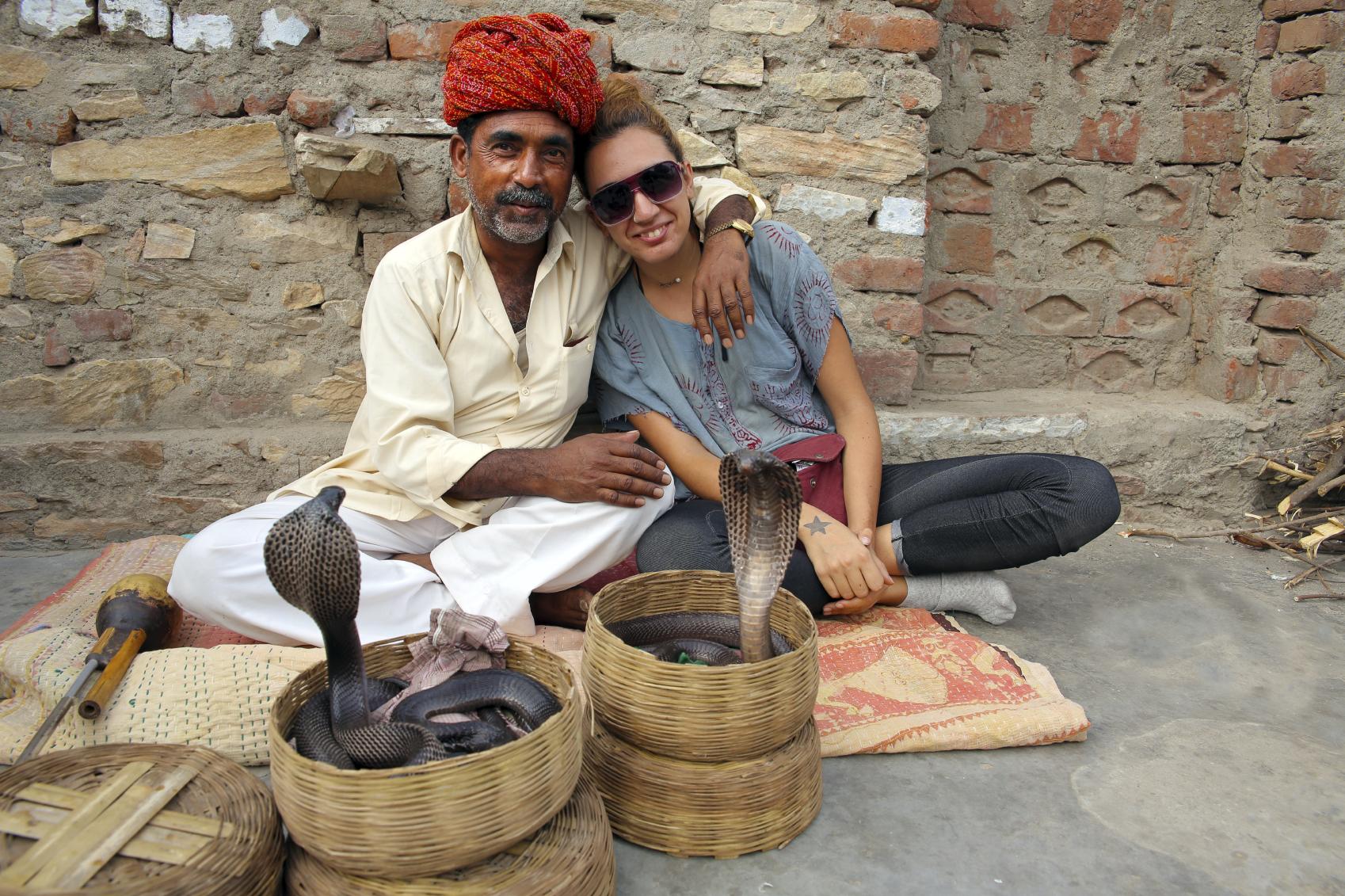
India is a conservative country, and if you are visiting India, it is important to cover up. While you will see Indian women wearing western clothes almost everywhere, showing your upper arms, legs and cleavage is often frowned upon. It is also important to wear loose clothes. It will not only prevent any unwanted attention from the local men, but it is comfortable to be worn in tropical heat too. Here at OneHowTo.com, we will give you some tips on how to dress conservatively while visiting India.
Do not wear revealing clothes
In larger cities like Delhi, Mumbai and Bangalore, and tourist prone areas like Goa, Agra and Kerala, it is fine to wear western clothes with bare shoulders and knees. However, your clothing should not reveal anything more than that at any place. Wherever you are, you are likely to receive a lot of attention in short shorts and spaghetti tops. It's crucial to remember that modesty is valued across various regions, and dressing appropriately can help you blend in better with the local culture.

At the beach
If you are visiting an Indian beach like those at Goa or Mumbai, wearing a bathing suit is obviously fine, but a one-piece is better, instead of two-piece sets. When you are sunbathing, you may see many Indian men peeping at you from behind the palm trees. So, when you lie down on the beach or talk to locals, try to cover yourself with a scarf, or wear a cotton shirt. It is also advisable to carry a sarong or a light cover-up which can be easily worn when not in the water, providing additional comfort and modesty.
Dress like Indians
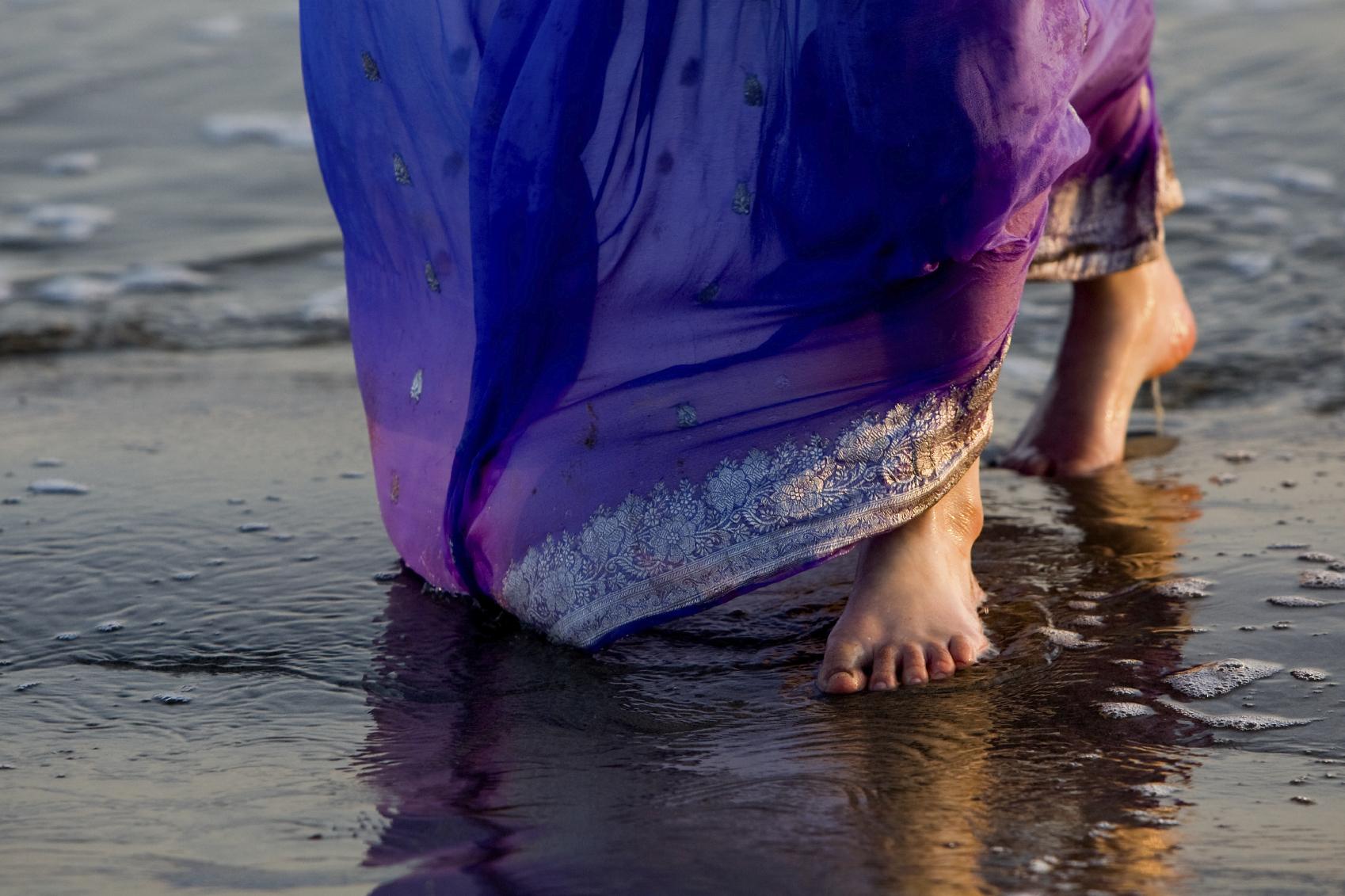
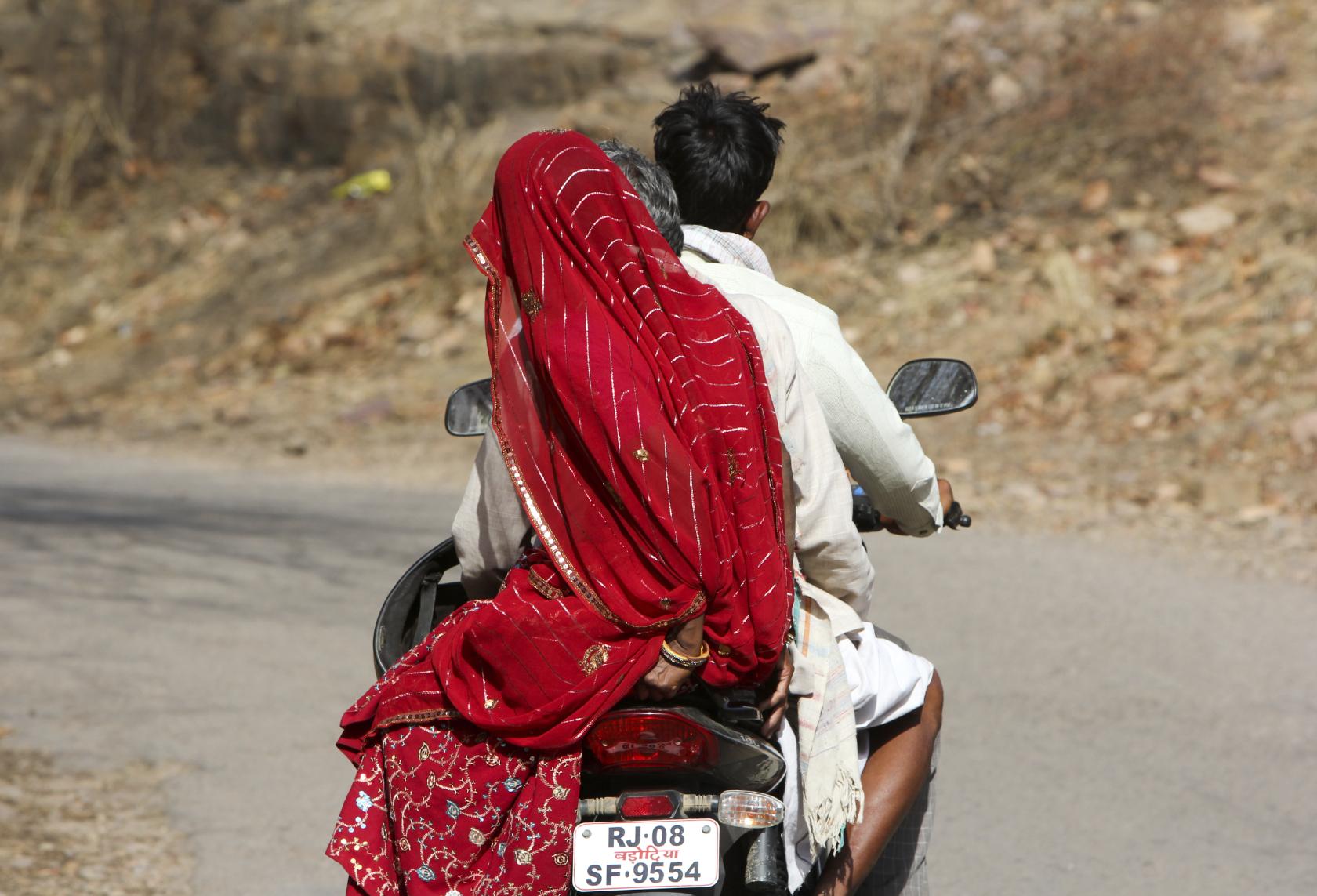
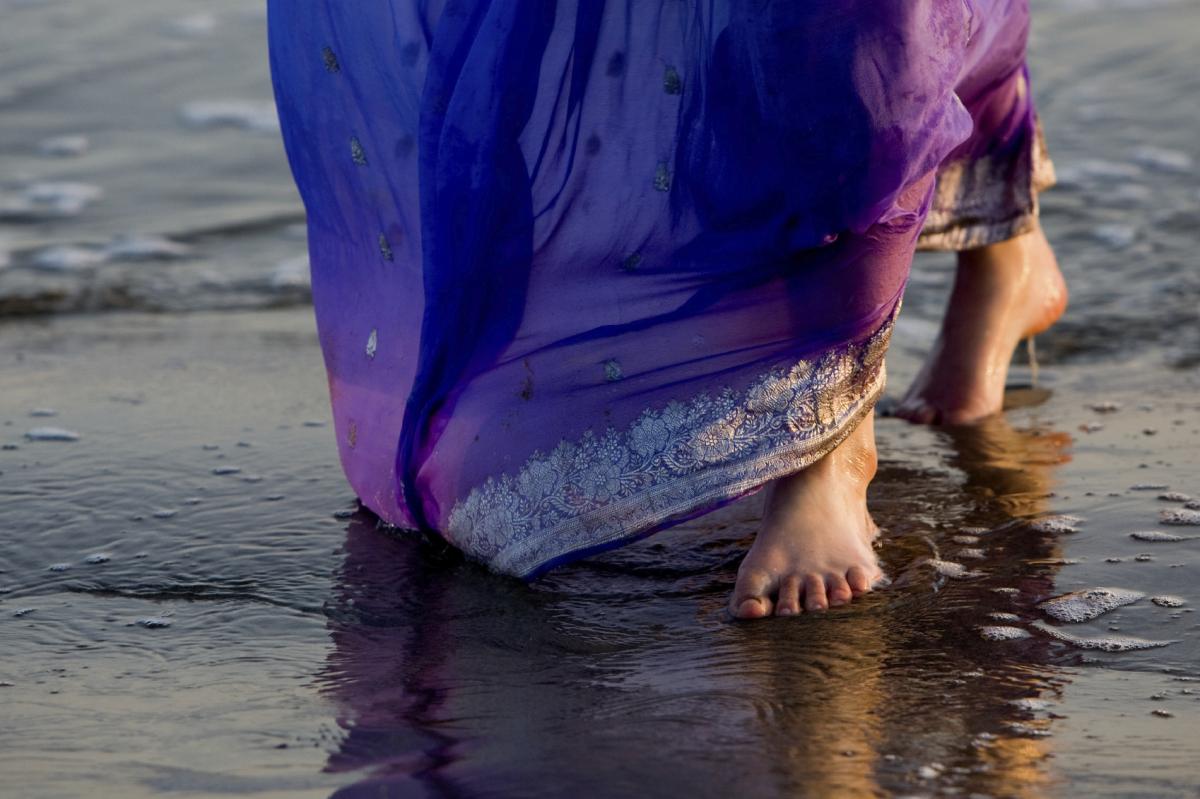
While visiting India, you don’t have to worry about being ultra-fashionable. The only way you can fit in with Indian fashion is wearing a salwar kameez or saree. The salwar kameez is a pair of a long top and baggy pants, which is cool and comfortable to wear. Saree is a long fabric beautifully draped around your body on a petticoat and a blouse. Both these dresses fit perfectly with the Indian modesty standards. You may either buy them readymade, or purchase fabric and get it tailored in a boutique. Indian women often wear bindi on their forehead, and some Western visitors like to experiment with that. Foreign women wearing Indian clothes are warmly welcomed by Indian locales, as it shows your effort to blend into their culture. If you are invited to a wedding, read our tips on outfits for male guests. Additionally, wearing Indian clothes can be a fun way to experience the vibrant local fashion scenes and partake in cultural events.

Wear modestly
The basic standard is to keep your shoulders, knees, midriff and cleavage covered at all times. Short skirts and shorts are not acceptable. If you want to wear one, make sure that it is at least knee length. Your underwear should be worn discreetly, and it should not show. Wearing a bra is a must, unless you are 8 years old or younger and have a flat chest. Go for tunic-style, loose tops that cover your buttocks and crotch. Don’t tuck your blouse into your slacks or jeans, but keep it hanging out. Moreover, opting for breathable fabrics like cotton and linen can help you stay comfortable in the warm climate, allowing you to enjoy your visit without any discomfort.

While visiting India, it is better to dress conservatively and be respectful towards their local customs. Wearing modest clothes, especially Indian clothes, will automatically bring you more courtesy and respect in the country. Another thing to keep in mind while traveling to India is to respect the basic etiquette of the country. This includes understanding regional differences, as customs and acceptable attire may vary from one part of India to another. Being mindful of these nuances can enhance your experience and interactions with the local people. In temples and religious sites, additional care should be taken to ensure that you are dressed appropriately, as these places often have stricter dress codes.
If you want to read similar articles to How To Dress Conservatively While Visiting India, we recommend you visit our Travel category.