How to Write a Formal Letter in English


With the development of new technologies, our language is suffering numerous attacks, especially when it comes to the formal use of language. We have to distinguish the moments when it's necessary to use more formal and serious language than the kind we generally use to communicate with others. Generally, for job-related reasons such as writing a job application letter, and sometimes personal reasons, we're obliged to do so. However, as this kind of language is not something we often use, it can be challenging to apply it. For this reason, at oneHOWTO we explain how to write a formal letter in English. There's also an example of a formal letter if you click on it.
Steps to follow:
Writing well is something we should always strive for, regardless of the kind of message we want to send. If our letter must be formal, we have to take an even closer look at our spelling, grammar, and syntax. This precision not only reflects our professionalism but also ensures that our message is clearly understood by the recipient. In formal writing, every word counts, and the structure must be coherent and logical.
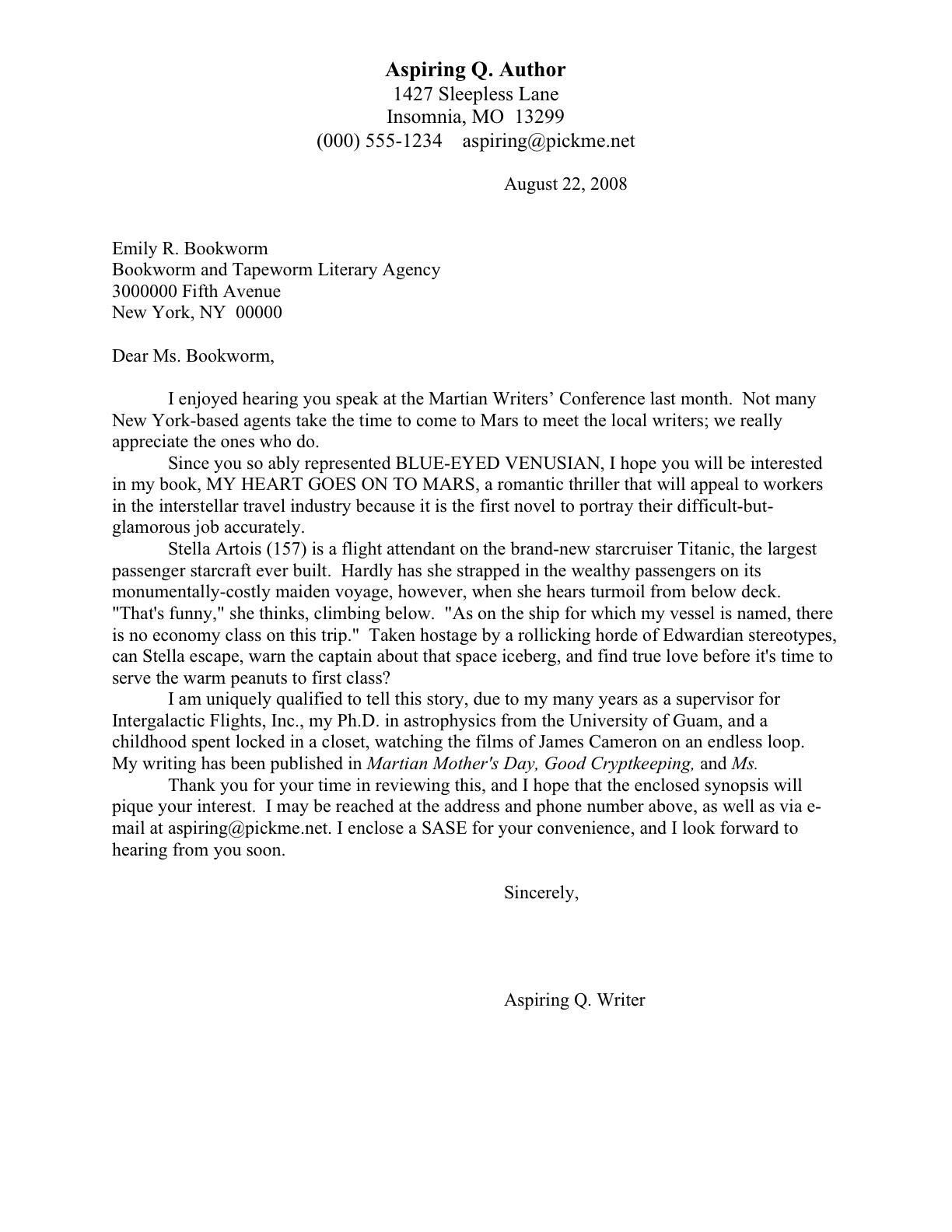
We must begin with a correct heading in which the name and details of the receiver are indicated, as well as the position the person occupies if you're addressing a company or government department. It is also advisable to make a small reference to the subject you'd like to write about in the letter. If you click on the picture above, you'll find an example of a formal letter. Including a reference number or date can also be beneficial for both parties to track the correspondence.

The initial greeting has to be exclusive for the person to whom we're writing, as well as correct and formal. This will be followed by a colon, and the body of the text will start to develop on the next line. Using titles such as Mr., Mrs., or Dr. followed by the last name is standard practice unless otherwise specified by the recipient.
Example:
Dear Mr. X,
I am writing to you regarding ...
In the first paragraph of the letter, you'll need to indicate the reason for it, or why you're writing. It will be necessary to give arguments to justify our opinion. Providing factual evidence or citing authoritative sources can strengthen your position and make your argument more compelling.
For example:
I believe that doing ..... is a mistake due to ....., as a study on this subject reflects....
The second paragraph, written apart from the first, must indicate what solutions we need or hope to have to confront our problem or worry that has motivated us to write the letter. You should write in clear and precise language for these kinds of circumstances. Offering multiple solutions or alternative suggestions can demonstrate your willingness to collaborate and find a mutually beneficial outcome.
Example:
This is why I would like to suggest ...
In my opinion, the best option to solve this problem is to ...
Last, we need to write a formal farewell, saying thank you for the person's attention and for the time dedicated. This farewell will be followed by our signature and our position, so they can identify us. It's important to use a respectful closing phrase, which aligns with the tone of the letter.
For example:
Sincerely,
Mr Y

Now that you've written the letter, make sure that you write the address on the envelope correctly so you can send it. Additionally, consider whether you need to send a copy to any other parties involved. Correct addressing is crucial to avoid delays and ensure the letter reaches the intended recipient.
If you want to read similar articles to How to Write a Formal Letter in English, we recommend you visit our Hobbies & Science category.
Tips
- Make sure you use correct and adequate language for the situation. Consider the cultural context, as different cultures may have various expectations for formal communication.
- Be careful not to make spelling mistakes. Using tools like spell-checkers can assist in catching errors you might overlook.
- Carefully revise the letter before sending it to make sure it's correct and impeccable. Reading it aloud can help identify awkward phrasing or errors you might miss when reading silently.